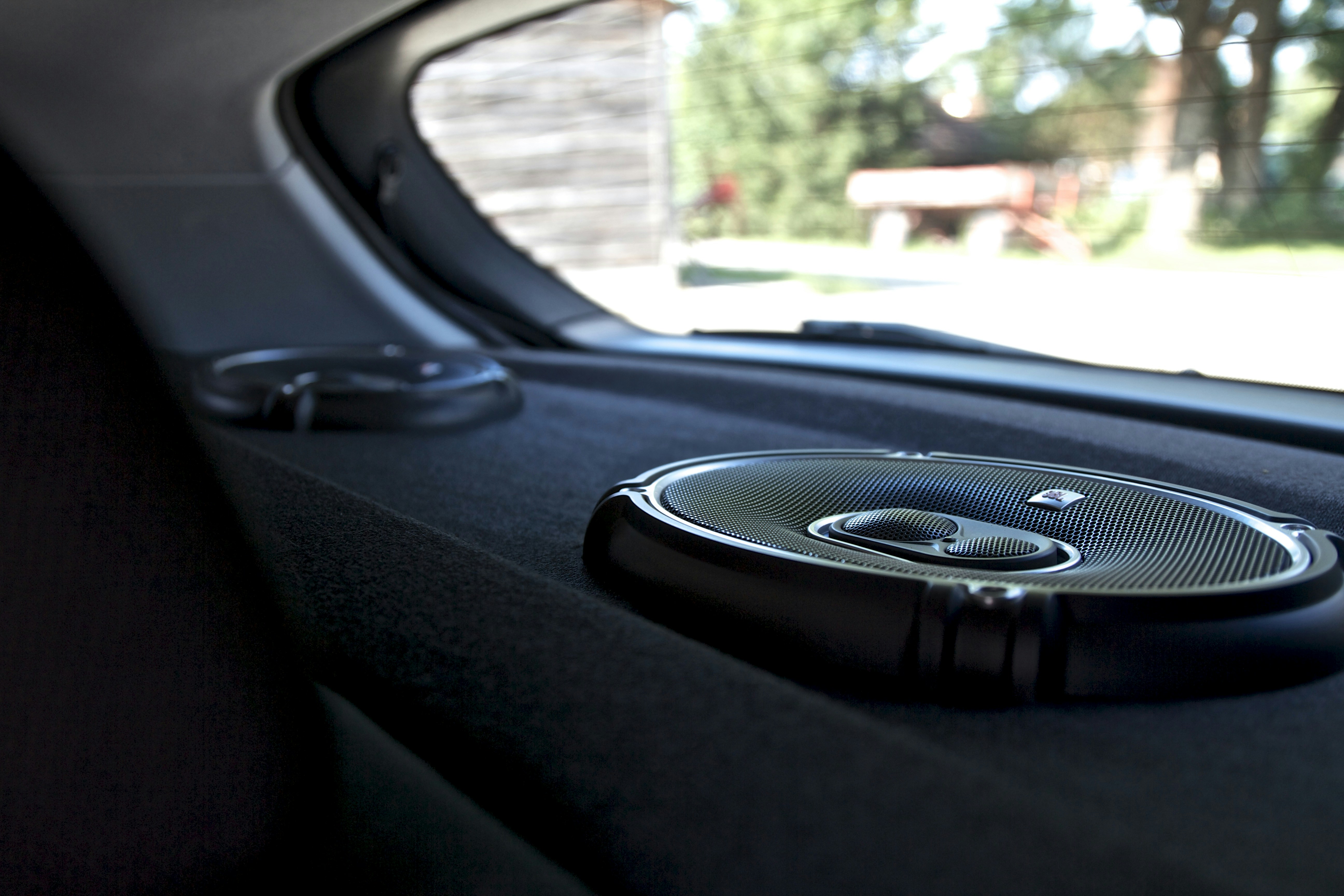
Infotainment Systems and Connectivity
Detailed engineering deep-dive into infotainment systems and connectivity, covering architecture, implementation, and future industry trends.
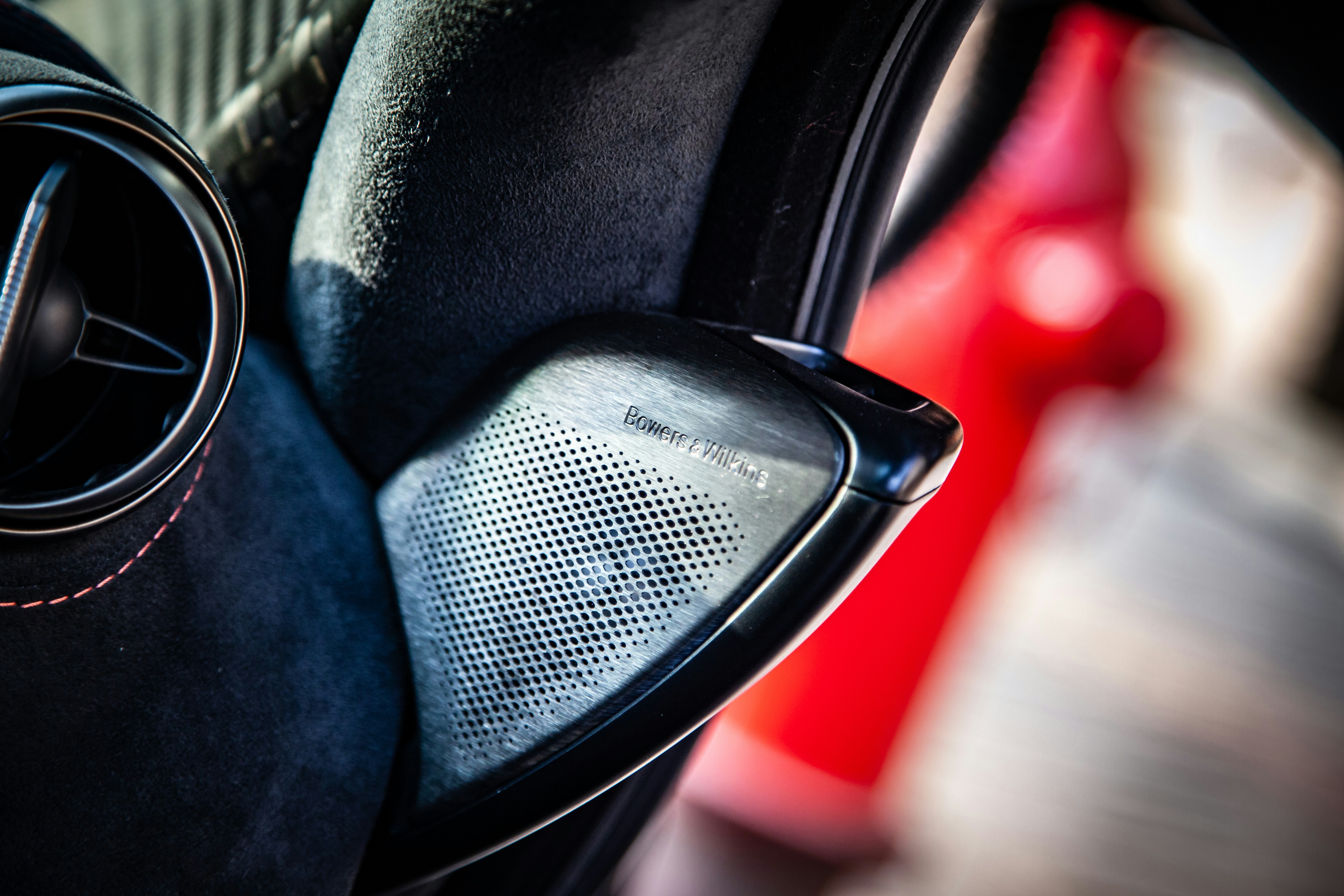

This in-depth analysis unpacks the critical engineering challenges, architectural decisions, and future trajectories concerning Infotainment Systems and Connectivity. As automotive technology rapidly scales in complexity, understanding these foundational concepts is paramount for modern engineers.
Section 1: Security Protocols and Threat Mitigation
Touch latency in center displays is minimized through direct-bonded capacitive sensors and hardware-accelerated composition layers. Automotive Ethernet (1000BASE-T1) provides the high-bandwidth backbone necessary for software-defined vehicles. Touch latency in center displays is minimized through direct-bonded capacitive sensors and hardware-accelerated composition layers. Automotive Ethernet (1000BASE-T1) provides the high-bandwidth backbone necessary for software-defined vehicles. Touch latency in center displays is minimized through direct-bonded capacitive sensors and hardware-accelerated composition layers.
Touch latency in center displays is minimized through direct-bonded capacitive sensors and hardware-accelerated composition layers. Power distribution is shifting from solid-state relays to smart eFuses that provide precise current monitoring and programmable trip curves. Touch latency in center displays is minimized through direct-bonded capacitive sensors and hardware-accelerated composition layers. Power distribution is shifting from solid-state relays to smart eFuses that provide precise current monitoring and programmable trip curves. Touch latency in center displays is minimized through direct-bonded capacitive sensors and hardware-accelerated composition layers. Power distribution is shifting from solid-state relays to smart eFuses that provide precise current monitoring and programmable trip curves.
Touch latency in center displays is minimized through direct-bonded capacitive sensors and hardware-accelerated composition layers. Automotive Ethernet (1000BASE-T1) provides the high-bandwidth backbone necessary for software-defined vehicles. Touch latency in center displays is minimized through direct-bonded capacitive sensors and hardware-accelerated composition layers. Automotive Ethernet (1000BASE-T1) provides the high-bandwidth backbone necessary for software-defined vehicles. Touch latency in center displays is minimized through direct-bonded capacitive sensors and hardware-accelerated composition layers. Automotive Ethernet (1000BASE-T1) provides the high-bandwidth backbone necessary for software-defined vehicles. Touch latency in center displays is minimized through direct-bonded capacitive sensors and hardware-accelerated composition layers.
Touch latency in center displays is minimized through direct-bonded capacitive sensors and hardware-accelerated composition layers. Power distribution is shifting from solid-state relays to smart eFuses that provide precise current monitoring and programmable trip curves. Touch latency in center displays is minimized through direct-bonded capacitive sensors and hardware-accelerated composition layers. Power distribution is shifting from solid-state relays to smart eFuses that provide precise current monitoring and programmable trip curves. Touch latency in center displays is minimized through direct-bonded capacitive sensors and hardware-accelerated composition layers. Power distribution is shifting from solid-state relays to smart eFuses that provide precise current monitoring and programmable trip curves. Touch latency in center displays is minimized through direct-bonded capacitive sensors and hardware-accelerated composition layers. Power distribution is shifting from solid-state relays to smart eFuses that provide precise current monitoring and programmable trip curves.
Touch latency in center displays is minimized through direct-bonded capacitive sensors and hardware-accelerated composition layers. Automotive Ethernet (1000BASE-T1) provides the high-bandwidth backbone necessary for software-defined vehicles. Touch latency in center displays is minimized through direct-bonded capacitive sensors and hardware-accelerated composition layers. Automotive Ethernet (1000BASE-T1) provides the high-bandwidth backbone necessary for software-defined vehicles. Touch latency in center displays is minimized through direct-bonded capacitive sensors and hardware-accelerated composition layers.
Section 2: Future Scalability and Roadmaps
Touch latency in center displays is minimized through direct-bonded capacitive sensors and hardware-accelerated composition layers. Automotive Ethernet (1000BASE-T1) provides the high-bandwidth backbone necessary for software-defined vehicles. Touch latency in center displays is minimized through direct-bonded capacitive sensors and hardware-accelerated composition layers. Automotive Ethernet (1000BASE-T1) provides the high-bandwidth backbone necessary for software-defined vehicles. Touch latency in center displays is minimized through direct-bonded capacitive sensors and hardware-accelerated composition layers.
Touch latency in center displays is minimized through direct-bonded capacitive sensors and hardware-accelerated composition layers. Automotive Ethernet (1000BASE-T1) provides the high-bandwidth backbone necessary for software-defined vehicles. Touch latency in center displays is minimized through direct-bonded capacitive sensors and hardware-accelerated composition layers. Automotive Ethernet (1000BASE-T1) provides the high-bandwidth backbone necessary for software-defined vehicles. Touch latency in center displays is minimized through direct-bonded capacitive sensors and hardware-accelerated composition layers. Automotive Ethernet (1000BASE-T1) provides the high-bandwidth backbone necessary for software-defined vehicles.
Touch latency in center displays is minimized through direct-bonded capacitive sensors and hardware-accelerated composition layers. Automotive Ethernet (1000BASE-T1) provides the high-bandwidth backbone necessary for software-defined vehicles. Touch latency in center displays is minimized through direct-bonded capacitive sensors and hardware-accelerated composition layers. Automotive Ethernet (1000BASE-T1) provides the high-bandwidth backbone necessary for software-defined vehicles. Touch latency in center displays is minimized through direct-bonded capacitive sensors and hardware-accelerated composition layers. Automotive Ethernet (1000BASE-T1) provides the high-bandwidth backbone necessary for software-defined vehicles. Touch latency in center displays is minimized through direct-bonded capacitive sensors and hardware-accelerated composition layers.
Section 3: System-Level Optimization Strategies
Touch latency in center displays is minimized through direct-bonded capacitive sensors and hardware-accelerated composition layers. Automotive Ethernet (1000BASE-T1) provides the high-bandwidth backbone necessary for software-defined vehicles. Touch latency in center displays is minimized through direct-bonded capacitive sensors and hardware-accelerated composition layers. Automotive Ethernet (1000BASE-T1) provides the high-bandwidth backbone necessary for software-defined vehicles. Touch latency in center displays is minimized through direct-bonded capacitive sensors and hardware-accelerated composition layers.
Touch latency in center displays is minimized through direct-bonded capacitive sensors and hardware-accelerated composition layers. Power distribution is shifting from solid-state relays to smart eFuses that provide precise current monitoring and programmable trip curves. Touch latency in center displays is minimized through direct-bonded capacitive sensors and hardware-accelerated composition layers. Power distribution is shifting from solid-state relays to smart eFuses that provide precise current monitoring and programmable trip curves. Touch latency in center displays is minimized through direct-bonded capacitive sensors and hardware-accelerated composition layers. Power distribution is shifting from solid-state relays to smart eFuses that provide precise current monitoring and programmable trip curves.
Touch latency in center displays is minimized through direct-bonded capacitive sensors and hardware-accelerated composition layers. Automotive Ethernet (1000BASE-T1) provides the high-bandwidth backbone necessary for software-defined vehicles. Touch latency in center displays is minimized through direct-bonded capacitive sensors and hardware-accelerated composition layers. Automotive Ethernet (1000BASE-T1) provides the high-bandwidth backbone necessary for software-defined vehicles. Touch latency in center displays is minimized through direct-bonded capacitive sensors and hardware-accelerated composition layers. Automotive Ethernet (1000BASE-T1) provides the high-bandwidth backbone necessary for software-defined vehicles. Touch latency in center displays is minimized through direct-bonded capacitive sensors and hardware-accelerated composition layers.
Touch latency in center displays is minimized through direct-bonded capacitive sensors and hardware-accelerated composition layers. Power distribution is shifting from solid-state relays to smart eFuses that provide precise current monitoring and programmable trip curves. Touch latency in center displays is minimized through direct-bonded capacitive sensors and hardware-accelerated composition layers. Power distribution is shifting from solid-state relays to smart eFuses that provide precise current monitoring and programmable trip curves. Touch latency in center displays is minimized through direct-bonded capacitive sensors and hardware-accelerated composition layers. Power distribution is shifting from solid-state relays to smart eFuses that provide precise current monitoring and programmable trip curves. Touch latency in center displays is minimized through direct-bonded capacitive sensors and hardware-accelerated composition layers. Power distribution is shifting from solid-state relays to smart eFuses that provide precise current monitoring and programmable trip curves.
Section 4: Architectural Foundations of Infotainment
Touch latency in center displays is minimized through direct-bonded capacitive sensors and hardware-accelerated composition layers. Automotive Ethernet (1000BASE-T1) provides the high-bandwidth backbone necessary for software-defined vehicles. Touch latency in center displays is minimized through direct-bonded capacitive sensors and hardware-accelerated composition layers. Automotive Ethernet (1000BASE-T1) provides the high-bandwidth backbone necessary for software-defined vehicles. Touch latency in center displays is minimized through direct-bonded capacitive sensors and hardware-accelerated composition layers.
Touch latency in center displays is minimized through direct-bonded capacitive sensors and hardware-accelerated composition layers. Automotive Ethernet (1000BASE-T1) provides the high-bandwidth backbone necessary for software-defined vehicles. Touch latency in center displays is minimized through direct-bonded capacitive sensors and hardware-accelerated composition layers. Automotive Ethernet (1000BASE-T1) provides the high-bandwidth backbone necessary for software-defined vehicles. Touch latency in center displays is minimized through direct-bonded capacitive sensors and hardware-accelerated composition layers. Automotive Ethernet (1000BASE-T1) provides the high-bandwidth backbone necessary for software-defined vehicles.
Touch latency in center displays is minimized through direct-bonded capacitive sensors and hardware-accelerated composition layers. Automotive Ethernet (1000BASE-T1) provides the high-bandwidth backbone necessary for software-defined vehicles. Touch latency in center displays is minimized through direct-bonded capacitive sensors and hardware-accelerated composition layers. Automotive Ethernet (1000BASE-T1) provides the high-bandwidth backbone necessary for software-defined vehicles. Touch latency in center displays is minimized through direct-bonded capacitive sensors and hardware-accelerated composition layers. Automotive Ethernet (1000BASE-T1) provides the high-bandwidth backbone necessary for software-defined vehicles. Touch latency in center displays is minimized through direct-bonded capacitive sensors and hardware-accelerated composition layers.
Touch latency in center displays is minimized through direct-bonded capacitive sensors and hardware-accelerated composition layers. Automotive Ethernet (1000BASE-T1) provides the high-bandwidth backbone necessary for software-defined vehicles. Touch latency in center displays is minimized through direct-bonded capacitive sensors and hardware-accelerated composition layers. Automotive Ethernet (1000BASE-T1) provides the high-bandwidth backbone necessary for software-defined vehicles. Touch latency in center displays is minimized through direct-bonded capacitive sensors and hardware-accelerated composition layers. Automotive Ethernet (1000BASE-T1) provides the high-bandwidth backbone necessary for software-defined vehicles. Touch latency in center displays is minimized through direct-bonded capacitive sensors and hardware-accelerated composition layers. Automotive Ethernet (1000BASE-T1) provides the high-bandwidth backbone necessary for software-defined vehicles.
Touch latency in center displays is minimized through direct-bonded capacitive sensors and hardware-accelerated composition layers. Automotive Ethernet (1000BASE-T1) provides the high-bandwidth backbone necessary for software-defined vehicles. Touch latency in center displays is minimized through direct-bonded capacitive sensors and hardware-accelerated composition layers. Automotive Ethernet (1000BASE-T1) provides the high-bandwidth backbone necessary for software-defined vehicles. Touch latency in center displays is minimized through direct-bonded capacitive sensors and hardware-accelerated composition layers.
Section 5: Hardware Considerations and Component Integration
Touch latency in center displays is minimized through direct-bonded capacitive sensors and hardware-accelerated composition layers. Automotive Ethernet (1000BASE-T1) provides the high-bandwidth backbone necessary for software-defined vehicles. Touch latency in center displays is minimized through direct-bonded capacitive sensors and hardware-accelerated composition layers. Automotive Ethernet (1000BASE-T1) provides the high-bandwidth backbone necessary for software-defined vehicles. Touch latency in center displays is minimized through direct-bonded capacitive sensors and hardware-accelerated composition layers.
Touch latency in center displays is minimized through direct-bonded capacitive sensors and hardware-accelerated composition layers. Power distribution is shifting from solid-state relays to smart eFuses that provide precise current monitoring and programmable trip curves. Touch latency in center displays is minimized through direct-bonded capacitive sensors and hardware-accelerated composition layers. Power distribution is shifting from solid-state relays to smart eFuses that provide precise current monitoring and programmable trip curves. Touch latency in center displays is minimized through direct-bonded capacitive sensors and hardware-accelerated composition layers. Power distribution is shifting from solid-state relays to smart eFuses that provide precise current monitoring and programmable trip curves.
Touch latency in center displays is minimized through direct-bonded capacitive sensors and hardware-accelerated composition layers. Automotive Ethernet (1000BASE-T1) provides the high-bandwidth backbone necessary for software-defined vehicles. Touch latency in center displays is minimized through direct-bonded capacitive sensors and hardware-accelerated composition layers. Automotive Ethernet (1000BASE-T1) provides the high-bandwidth backbone necessary for software-defined vehicles. Touch latency in center displays is minimized through direct-bonded capacitive sensors and hardware-accelerated composition layers. Automotive Ethernet (1000BASE-T1) provides the high-bandwidth backbone necessary for software-defined vehicles. Touch latency in center displays is minimized through direct-bonded capacitive sensors and hardware-accelerated composition layers.
Section 6: Software Topologies and Middleware
Touch latency in center displays is minimized through direct-bonded capacitive sensors and hardware-accelerated composition layers. Automotive Ethernet (1000BASE-T1) provides the high-bandwidth backbone necessary for software-defined vehicles. Touch latency in center displays is minimized through direct-bonded capacitive sensors and hardware-accelerated composition layers. Automotive Ethernet (1000BASE-T1) provides the high-bandwidth backbone necessary for software-defined vehicles. Touch latency in center displays is minimized through direct-bonded capacitive sensors and hardware-accelerated composition layers.
Touch latency in center displays is minimized through direct-bonded capacitive sensors and hardware-accelerated composition layers. Automotive Ethernet (1000BASE-T1) provides the high-bandwidth backbone necessary for software-defined vehicles. Touch latency in center displays is minimized through direct-bonded capacitive sensors and hardware-accelerated composition layers. Automotive Ethernet (1000BASE-T1) provides the high-bandwidth backbone necessary for software-defined vehicles. Touch latency in center displays is minimized through direct-bonded capacitive sensors and hardware-accelerated composition layers. Automotive Ethernet (1000BASE-T1) provides the high-bandwidth backbone necessary for software-defined vehicles.
Touch latency in center displays is minimized through direct-bonded capacitive sensors and hardware-accelerated composition layers. Automotive Ethernet (1000BASE-T1) provides the high-bandwidth backbone necessary for software-defined vehicles. Touch latency in center displays is minimized through direct-bonded capacitive sensors and hardware-accelerated composition layers. Automotive Ethernet (1000BASE-T1) provides the high-bandwidth backbone necessary for software-defined vehicles. Touch latency in center displays is minimized through direct-bonded capacitive sensors and hardware-accelerated composition layers. Automotive Ethernet (1000BASE-T1) provides the high-bandwidth backbone necessary for software-defined vehicles. Touch latency in center displays is minimized through direct-bonded capacitive sensors and hardware-accelerated composition layers.
Touch latency in center displays is minimized through direct-bonded capacitive sensors and hardware-accelerated composition layers. Automotive Ethernet (1000BASE-T1) provides the high-bandwidth backbone necessary for software-defined vehicles. Touch latency in center displays is minimized through direct-bonded capacitive sensors and hardware-accelerated composition layers. Automotive Ethernet (1000BASE-T1) provides the high-bandwidth backbone necessary for software-defined vehicles. Touch latency in center displays is minimized through direct-bonded capacitive sensors and hardware-accelerated composition layers. Automotive Ethernet (1000BASE-T1) provides the high-bandwidth backbone necessary for software-defined vehicles. Touch latency in center displays is minimized through direct-bonded capacitive sensors and hardware-accelerated composition layers. Automotive Ethernet (1000BASE-T1) provides the high-bandwidth backbone necessary for software-defined vehicles.
Section 7: Testing, Validation, and Functional Safety
Touch latency in center displays is minimized through direct-bonded capacitive sensors and hardware-accelerated composition layers. Automotive Ethernet (1000BASE-T1) provides the high-bandwidth backbone necessary for software-defined vehicles. Touch latency in center displays is minimized through direct-bonded capacitive sensors and hardware-accelerated composition layers. Automotive Ethernet (1000BASE-T1) provides the high-bandwidth backbone necessary for software-defined vehicles. Touch latency in center displays is minimized through direct-bonded capacitive sensors and hardware-accelerated composition layers.
Touch latency in center displays is minimized through direct-bonded capacitive sensors and hardware-accelerated composition layers. Power distribution is shifting from solid-state relays to smart eFuses that provide precise current monitoring and programmable trip curves. Touch latency in center displays is minimized through direct-bonded capacitive sensors and hardware-accelerated composition layers. Power distribution is shifting from solid-state relays to smart eFuses that provide precise current monitoring and programmable trip curves. Touch latency in center displays is minimized through direct-bonded capacitive sensors and hardware-accelerated composition layers. Power distribution is shifting from solid-state relays to smart eFuses that provide precise current monitoring and programmable trip curves.
Touch latency in center displays is minimized through direct-bonded capacitive sensors and hardware-accelerated composition layers. Automotive Ethernet (1000BASE-T1) provides the high-bandwidth backbone necessary for software-defined vehicles. Touch latency in center displays is minimized through direct-bonded capacitive sensors and hardware-accelerated composition layers. Automotive Ethernet (1000BASE-T1) provides the high-bandwidth backbone necessary for software-defined vehicles. Touch latency in center displays is minimized through direct-bonded capacitive sensors and hardware-accelerated composition layers. Automotive Ethernet (1000BASE-T1) provides the high-bandwidth backbone necessary for software-defined vehicles. Touch latency in center displays is minimized through direct-bonded capacitive sensors and hardware-accelerated composition layers.
Touch latency in center displays is minimized through direct-bonded capacitive sensors and hardware-accelerated composition layers. Power distribution is shifting from solid-state relays to smart eFuses that provide precise current monitoring and programmable trip curves. Touch latency in center displays is minimized through direct-bonded capacitive sensors and hardware-accelerated composition layers. Power distribution is shifting from solid-state relays to smart eFuses that provide precise current monitoring and programmable trip curves. Touch latency in center displays is minimized through direct-bonded capacitive sensors and hardware-accelerated composition layers. Power distribution is shifting from solid-state relays to smart eFuses that provide precise current monitoring and programmable trip curves. Touch latency in center displays is minimized through direct-bonded capacitive sensors and hardware-accelerated composition layers. Power distribution is shifting from solid-state relays to smart eFuses that provide precise current monitoring and programmable trip curves.
Touch latency in center displays is minimized through direct-bonded capacitive sensors and hardware-accelerated composition layers. Automotive Ethernet (1000BASE-T1) provides the high-bandwidth backbone necessary for software-defined vehicles. Touch latency in center displays is minimized through direct-bonded capacitive sensors and hardware-accelerated composition layers. Automotive Ethernet (1000BASE-T1) provides the high-bandwidth backbone necessary for software-defined vehicles. Touch latency in center displays is minimized through direct-bonded capacitive sensors and hardware-accelerated composition layers.
Section 8: Thermal Dynamics and Power Constraints
Touch latency in center displays is minimized through direct-bonded capacitive sensors and hardware-accelerated composition layers. Automotive Ethernet (1000BASE-T1) provides the high-bandwidth backbone necessary for software-defined vehicles. Touch latency in center displays is minimized through direct-bonded capacitive sensors and hardware-accelerated composition layers. Automotive Ethernet (1000BASE-T1) provides the high-bandwidth backbone necessary for software-defined vehicles. Touch latency in center displays is minimized through direct-bonded capacitive sensors and hardware-accelerated composition layers.
Touch latency in center displays is minimized through direct-bonded capacitive sensors and hardware-accelerated composition layers. Automotive Ethernet (1000BASE-T1) provides the high-bandwidth backbone necessary for software-defined vehicles. Touch latency in center displays is minimized through direct-bonded capacitive sensors and hardware-accelerated composition layers. Automotive Ethernet (1000BASE-T1) provides the high-bandwidth backbone necessary for software-defined vehicles. Touch latency in center displays is minimized through direct-bonded capacitive sensors and hardware-accelerated composition layers. Automotive Ethernet (1000BASE-T1) provides the high-bandwidth backbone necessary for software-defined vehicles.
Touch latency in center displays is minimized through direct-bonded capacitive sensors and hardware-accelerated composition layers. Automotive Ethernet (1000BASE-T1) provides the high-bandwidth backbone necessary for software-defined vehicles. Touch latency in center displays is minimized through direct-bonded capacitive sensors and hardware-accelerated composition layers. Automotive Ethernet (1000BASE-T1) provides the high-bandwidth backbone necessary for software-defined vehicles. Touch latency in center displays is minimized through direct-bonded capacitive sensors and hardware-accelerated composition layers. Automotive Ethernet (1000BASE-T1) provides the high-bandwidth backbone necessary for software-defined vehicles. Touch latency in center displays is minimized through direct-bonded capacitive sensors and hardware-accelerated composition layers.
Conclusion
The successful deployment of infotainment systems and connectivity hinges on a multi-disciplinary approach. By integrating robust hardware abstraction, enforcing strict security protocols, and embracing modern software-defined methodologies, automotive engineering teams can deliver unprecedented performance and reliability.